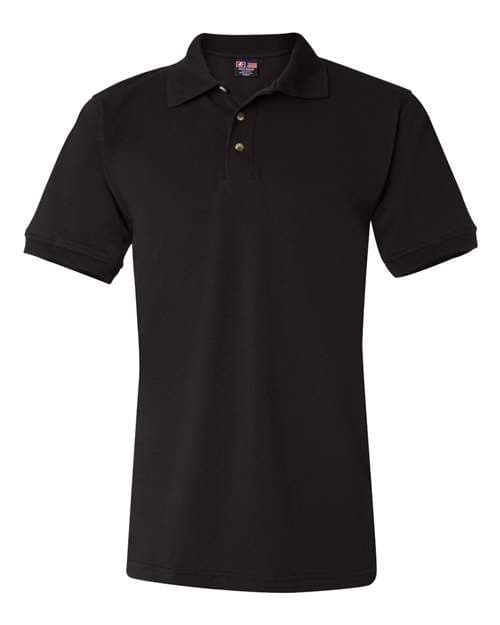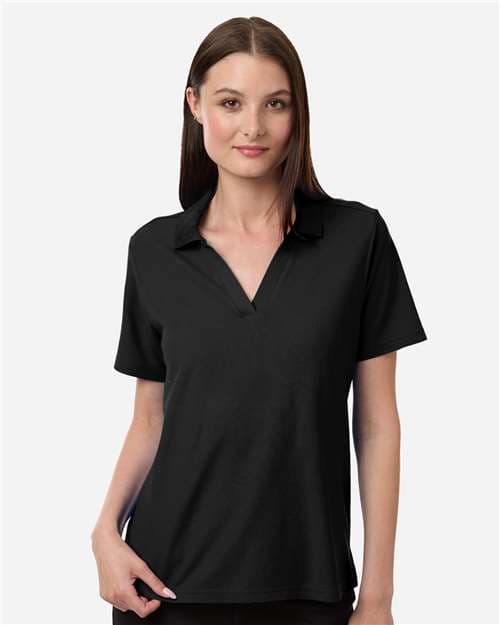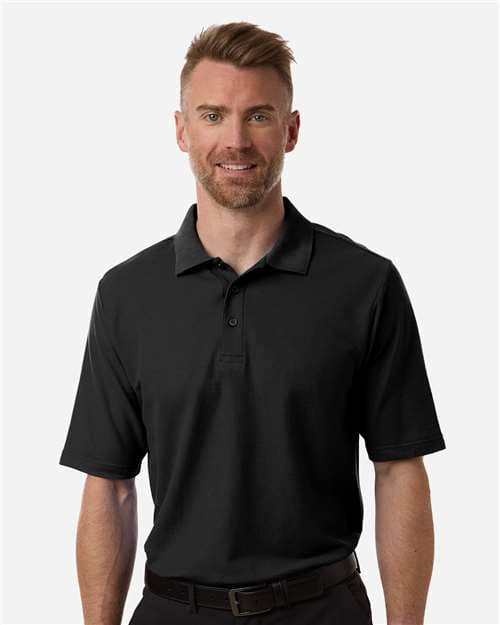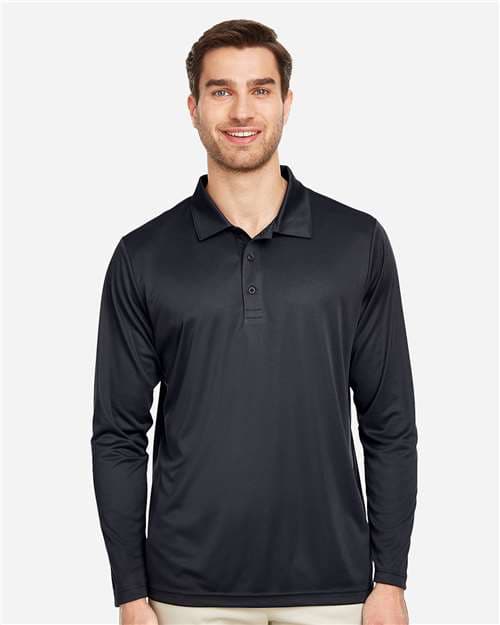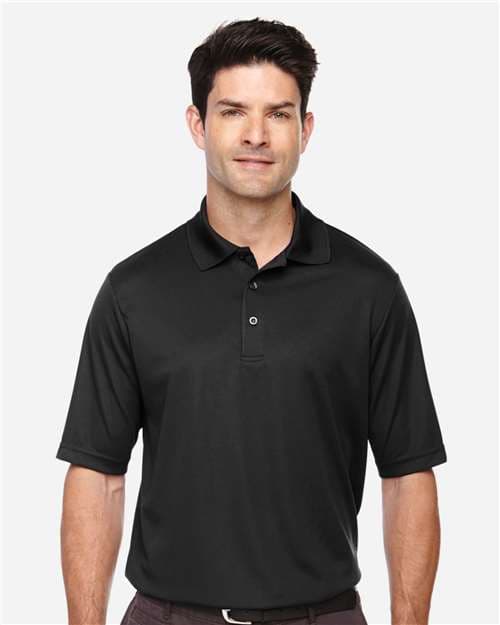

No minimum. Record three things on the first order, and every reorder starts from them.
A uniform program never finishes buying
A one-time order ends when the box arrives. A uniform program does not. Every new hire needs a shirt on day one. Every season a few people lose a shirt, outgrow one or wear one out.
You might be a franchise owner outfitting a new location. Or a restaurant general manager, or a facilities supervisor. You are the person who gets that request on a Tuesday afternoon. The shirt has to match the ones already worn by everyone else on shift.
That separates a uniform order from a golf outing or a trade show giveaway. The first order is the smallest part of the job. For blend, collar and size-run decisions, read work polo shirts.
Why embroidery is the default
A commercial laundry runs hotter than a home machine. It also runs more loads each week. A heat-applied transfer sits on the fabric as a film over an adhesive layer. Heat and harsh detergent go after that layer first. A transfer's rating of 65+ washes counts on cold water and an inside-out wash. A commercial laundry washes hot.
Embroidery has no film and no adhesive. The logo is thread sewn through the shirt, with no layer to crack or peel. In a program, the thread outlasts the shirt.
So set a service uniform up as embroidery. For stitch detail and thread choices, see embroidered polo shirts.
Pick the color by the job
Uniform color is often chosen in a meeting room and regretted on the floor. Pick it by what the person wearing it does all day.
Light colors such as white and pale blue read clean at a front desk. The guest sees a fresh shirt. The cost is that every spill shows. Those shirts go into the wash sooner.
Dark colors such as navy and charcoal hide soil between washes. They suit active roles like maintenance, grounds and kitchen support. Nobody there stands across a counter from a customer.
Some teams work both ways, such as a retail floor that also restocks. They need one answer. Choose the color for the harder half of the day.
Write down the reorder before you need it
On the first order, record three things. First, the shirt's style number. Second, the thread color numbers: ask for them. Third, the logo file that was digitized. Navy and "the dark blue" are not the same instruction.
Have Pantone colors? Ask how near the thread can come to them.
Those three records are what a reorder is built from. Without them, the replacement shirt is a guess. It arrives close, but not identical. People notice that at a front desk.
Keep the same record for every location. A franchise owner opening a second site can then order the first site's shirt. Nobody has to call around to ask what it was.
Set up two positions, not one
A polo has a standard logo zone on the left chest. The opposite chest is the usual place for a name. Guests and coworkers read it at a glance. Treat these as two embroidery positions from the start.
Adding a name to a shirt later means digitizing and a separate pass. Set up both positions on the first order. Then each new hire's shirt gets a name, and nothing else changes.
What the order looks like
There is no minimum. Start with the location or shift that needs shirts now. Add the rest later. The quantity price ladder is on every product page. You can see where the price steps down before you ask anyone.
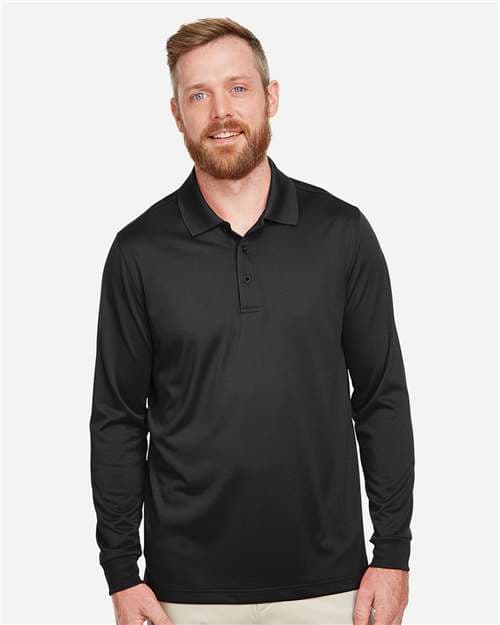
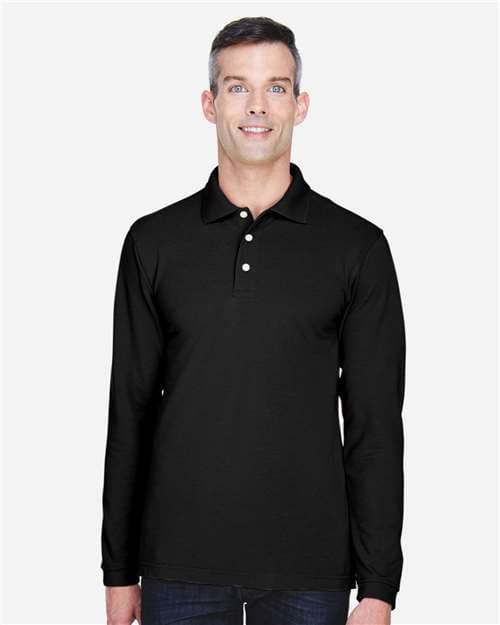
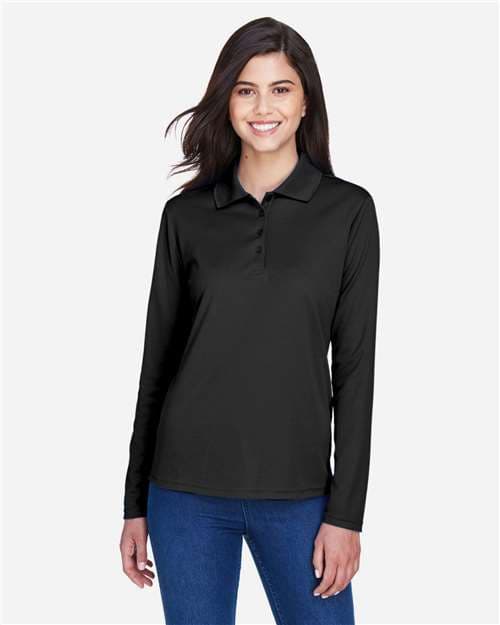
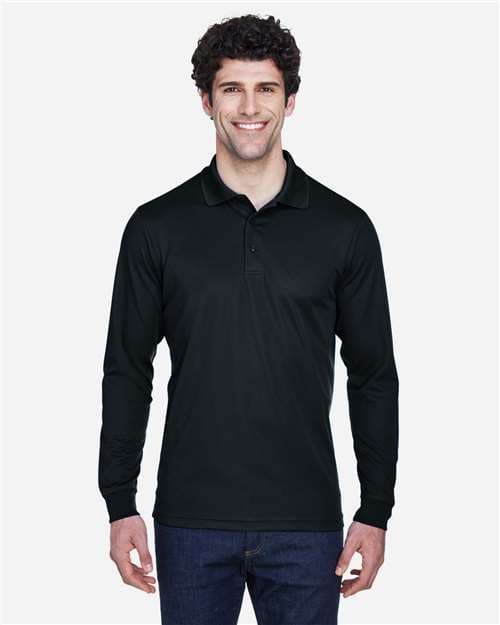
Start on the uniform polos shelf, with long sleeve and tall sizes. A restaurant floor fits the restaurant polos. A guard or event team fits the security and event staff polos. Or read how no minimum polo shirts works. Is the program for an office team, not a floor crew? Corporate polo shirts is the closer fit.
By Michael Monfared, Polo Supply Co.